Tampa Bay Home Inspector Blog

Frontline Inspections, LLC – Serving Pasco, Pinellas, Hillsborough, and Hernando Counties in Tampa Bay, Florida (727) 460-2655

Mold Clean-up Pt. II

April 14th, 2010 by admin

What to Wear When Cleaning Moldy Areas

Avoid breathing in mold or mold spores.  In order to limit your exposure to airborne mold, you may want to wear an N-95 respirator, available at many hardware stores and from  companies that advertise on the Internet. (They cost about $12 to $25.)  Some N-95 respirators resemble a paper dust mask with a Read the rest of this entry »

Posted in Moisture Problems/Mold | No Comments »

Mold Clean-up Pt. I

April 12th, 2010 by admin

How do I get rid of mold?

It is impossible to get rid of all mold and mold spores indoors, some mold spores will be found floating through the air and in house dust. The mold spores will not grow if moisture is not present.  Indoor mold growth can and should be prevented or controlled by controlling moisture indoors. If there is mold growth in your home, you must clean up the mold and fix the water problem. If you clean up the mold, but don’t fix the water problem, then, most likely, the mold problem will come back. Read the rest of this entry »

Posted in Moisture Problems/Mold | No Comments »

Wood Decay

April 2nd, 2010 by admin

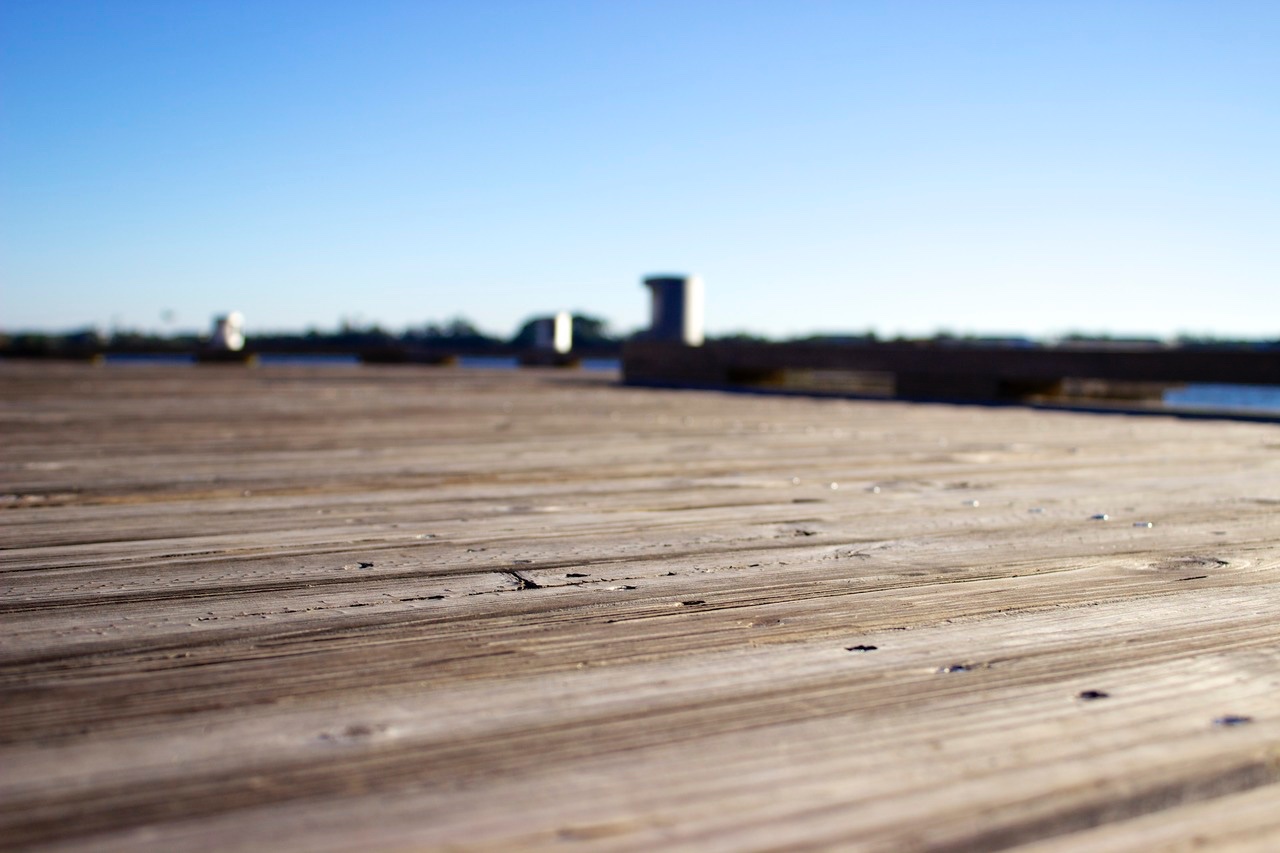
Wood Decay found during Frontline Home Inspection

Wood decay, also known as wood rot, is the decomposition of wood as the result of actions by certain species of fungi.

Facts about wood decay and decay fungi:

According to Ohio State University, replacement materials needed to repair damage caused by decay account for nearly 10% of U.S. annual wood production.

Carpenter ants, termites and other wood-destroying insects do not cause wood decay. These insects are, however, attracted to wood that has been softened by decay.

Decay fungi are active in temperatures between 77 to 90 degrees Fahrenheit, and need water, oxygen and a food source to survive.

Fungi that cause wood decay are called saprophytic, a term also applied to other organisms that consume decayed material. Many species of fungi, along with saprophytic beetles, worms, protists and bacteria are essential components of the decomposition and nutrient cycles.

How does wood decay happen?

Fungi reproduce by manufacturing single-celled spores, similar to microscopic seeds. Spores are tough; they’re able to resist extreme conditions of temperature and humidity and, under adverse conditions, they may go dormant for long periods. Spread primarily by air currents, they collect on horizontal surfaces. Decay fungi feed on the cellulose and lignin of which wood cell walls are composed. Their hyphae, which are threadlike tubes that penetrate the wood, secrete enzymes which dissolve at least part of the wood cell being fed upon, changing it into a form which can then be absorbed as food. Spores require a moisture content higher than the Fiber Saturation Point (FSP) of the wood species upon which they rest, typically between 27% and 30%. Once sufficient water and favorable temperatures are available, spores germinate and develop by extending a hyphal tube. As more spores germinate, fungi multiply to form a colony. Under the right conditions, colonies can expand quickly.

Common types of wood decay:

brown rot: This type of decay causes the wood to break down into brown cubes that split against the grain. Advanced stages of brown decay result in dry, powdery wood that is unable to support much weight, and crumbles easily.

white rot: This type of decay appears whitish, stringy and mushy, and tends to be more common in hardwoods.

dry rot: A misnomer, this term has been used to describe decayed wood that has since dried and ceased decaying. Some people may erroneously assume that the wood is still in the process of decay. Moisture is required for wood decay to occur, so no literal “dry rot” exists.

Decay Prevention

If the decay hazard is high, select the heartwood of decay-resistant species, or use wood properly treated with a good preservative.

Proper grading can prevent water from seeping under or into the foundation.

Effective roof overhangs, gutters and downspouts should be installed.

Untreated wood should not be placed within 18 inches of the ground.

Adequate cross-ventilation in crawlspaces will help eliminate dead air pockets, which contribute to wood decay.

A vapor barrier can be installed on the soil surface to help limit evaporation and return moisture to the soil, rather than allowing it to condense on the floor and above joists. Plastic sheets can cover the soil to act as satisfactory barriers.

Dehumidifiers and bathroom and kitchen fans will reduce indoor water vapor, and potentially dry wood enough to prevent decay.

Tampa Home Inspector

Posted in Consumer Awareness, Moisture Problems/Mold | No Comments »

Aluminum Wiring

March 21st, 2010 by admin

Aluminum Wiring - Home Inspection

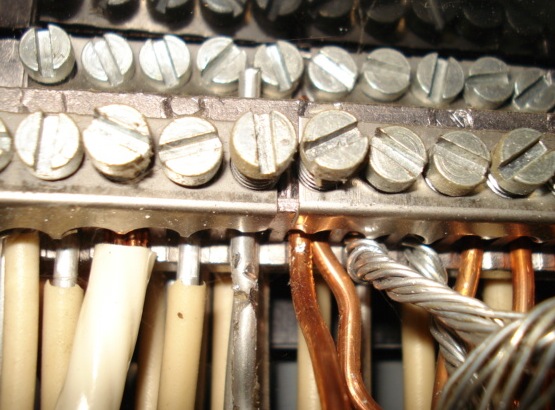
Between approximately 1965 and 1973, single-strand aluminum wiring was sometimes substituted for copper branch-circuit wiring in residential electrical systems due to the sudden escalating price of copper. After a decade of use by homeowners and electricians, inherent weaknesses were discovered in aluminum that lead to its discontinued use as a branch wiring material. Although properly maintained aluminum wiring is acceptable, aluminum will generally become defective faster than copper due to certain qualities inherent in the metal. Neglected connections in outlets, switches and light fixtures containing aluminum wiring become increasingly dangerous over time. Poor connections cause wiring to overheat, creating a potential fire hazard. In addition, the presence of single-strand aluminum wiring may void a home’s insurance policies. Read the rest of this entry »

Posted in Consumer Awareness, Electrical | No Comments »

Safety Guidelines for Home Pools Pt. 3

March 21st, 2010 by admin

Indoor Pools

When a pool is located completely within a house, the walls that surround the pool should be equipped to serve as pool safety barriers. Measures recommended above where a house wall serves as part of a safety barrier also apply for all the walls surrounding an indoor pool.  Read the rest of this entry »

Posted in Pools | No Comments »

Safety Guidelines for Home Pools Pt. 2

March 19th, 2010 by admin

How to Prevent a Child from Getting OVER a Pool Barrier

A successful pool barrier prevents a child from getting OVER, UNDER, or THROUGH and keeps the child from gaining access to the pool except when supervising adults are present. Read the rest of this entry »

Posted in Pools | No Comments »

Safety Guidlines for Home Pools Pt. I

March 17th, 2010 by admin

Pool Safety Part I

Swimming pools should always be happy places.Unfortunately, each year thousands of American families confront swimming pool tragedies, drowning’s and near-drowning’s of young children. These tragedies are preventable. These are guidelines for pool barriers that can help prevent most submersion incidents involving young children. This designed for use by owners, purchasers, and builders of residential pools, spas, and hot tubs. These guidelines are not intended as the sole method to minimize pool drowning of young children, just helpful safety tips for safer pools. Read the rest of this entry »

Posted in Pools | No Comments »

Anti-Tip, Tip

March 7th, 2010 by admin

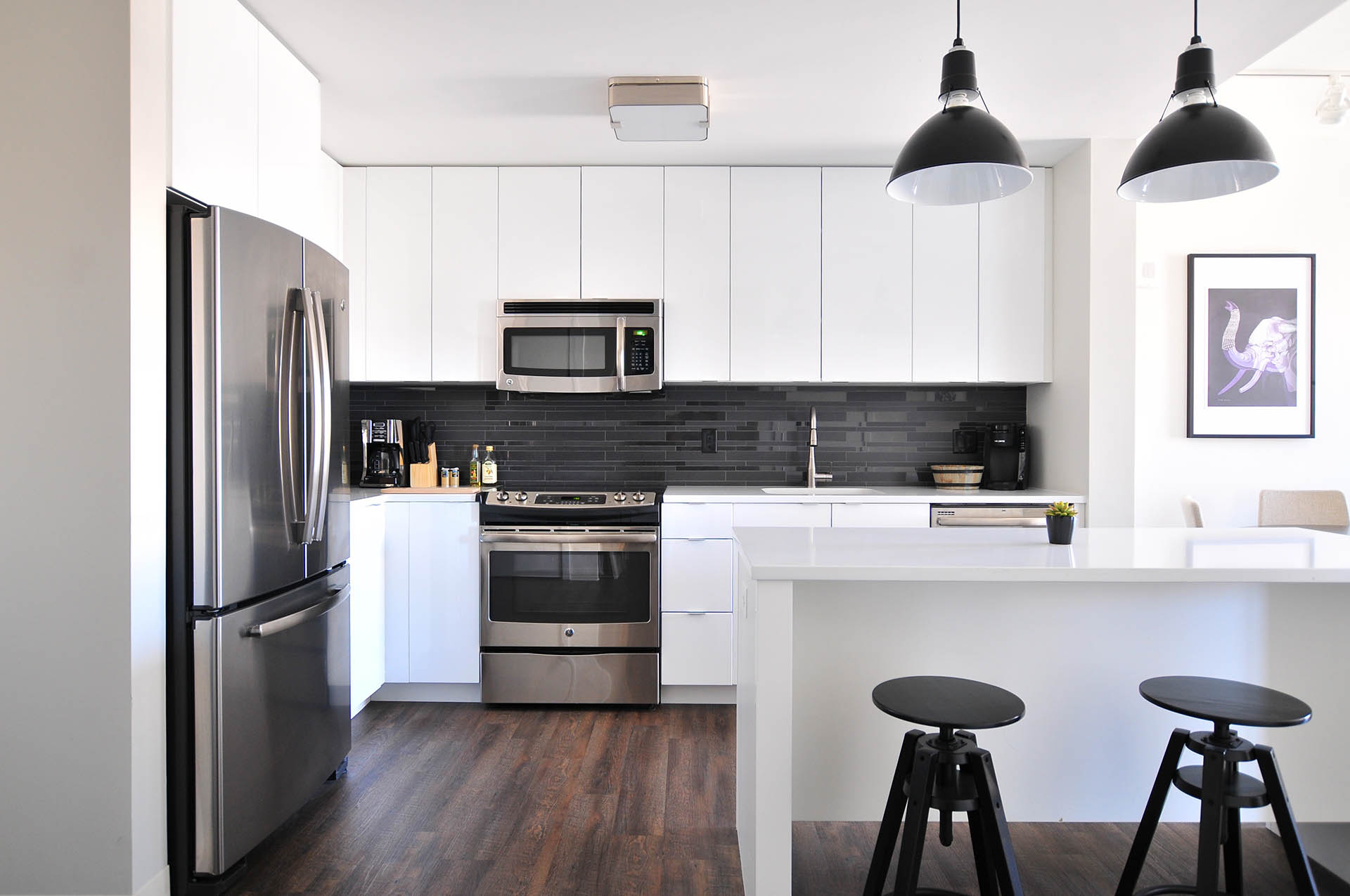
Anti-tip brackets are metal devices designed to prevent freestanding ranges from tipping. They are normally attached to a rear leg of the range or screwed into the wall behind the range, and are included in all installation kits. A unit that is not equipped with these devices may tip over if enough weight is applied to its open door, such as that from a large Thanksgiving turkey, or even a small child. A falling range can crush, scald, or burn anyone caught beneath.

According to the U.S. Consumer Product Safety Commission (CPSC), there were 143 incidents caused by range tip-overs from 1980 to 2006. Of the 33 incidents that resulted in death, most of those victims were children. A small child may stand on an open range door in order to see what is cooking on the stovetop and accidentally cause the entire unit to fall on top of him, along with whatever hot items may have been cooking on the stovetop. The elderly, too, may be injured while using the range for support while cleaning.

 In response to this danger, the American National Standards Institute (ANSI) and Underwriters Laboratories (UL) created standards in 1991 that require all ranges manufactured after that year to be capable of remaining stable while supporting 250 pounds of weight on their open doors. Manufacturers’ instructions, too, require that anti-tip brackets provided be installed. Despite these warnings, retailer Sears estimated in 1999 that a mere 5% of the gas and electric units they sold were ever equipped with anti-tip brackets. As a result of Sears’ failure to comply with safety regulations, they were sued and subsequently required to secure ranges in nearly 4 million homes, a measure that has been speculated to have cost Sears as much as $500 million.

In summary, ranges are susceptible to tipping if they are not equipped with anti-tip brackets. Inspectors should know how to confirm that these safety devices are present.

 Source – NACHI.org

Posted in Consumer Awareness | No Comments »

Roofing 101

March 1st, 2010 by admin

Roofing

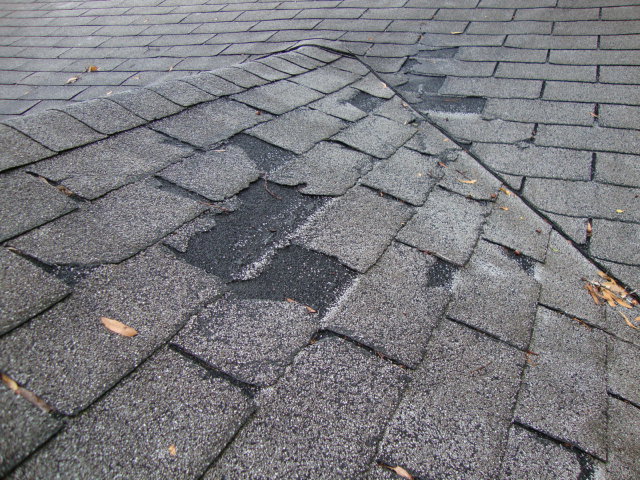
Roofs play a key role in protecting building occupants and interiors from outside weather conditions, primarily moisture. The roof, insulation, and ventilation must all work together to keep the building free of moisture. Read the rest of this entry »

Posted in Roof | No Comments »

Electrical Safety Pt. 2

February 12th, 2010 by admin

Electrical Appliances

Appliances need to be treated with respect and care. They need room to breathe. Avoid enclosing them in a cabinet without proper openings and do not store papers around them. Level appliances so they do not tip. Washers and dryers should be checked often. Read the rest of this entry »

Posted in Electrical | No Comments »

« Previous Entries Next Entries »